Fall abundance

You never know what you’ll stumble upon when hiking in late fall.
The goal was the Virgin bower, Clematis virginiana, which has been missing from our Seed List for a few years. But, the bright-orange fruits of Triosteum aurantiacum, the Horse-gentian, were hard to ignore!
The same goes for the abundant clusters of red-shiny fruits of Viburnum trilobum, Highbush cranberry! Please read the note below.
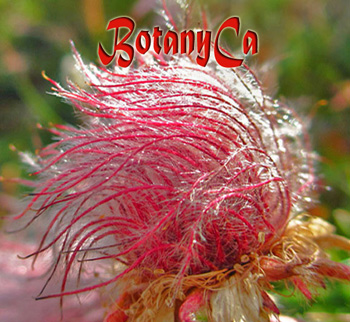
On a sunny, beautiful late fall day, the colors are deeper and the low angle of the sun puts a magical shine of everything. How could one miss the fluffy, white-snow fruit-heads of Anemone virginiana var. cylindroidea?
Viburnum lentago seeds are also back in stock. Plus, the wood lily, Lilium philadelphicum.


Note on Viburnum trilobum:
Viburnum trilobum has been classified at some point as a variety or subspecies of Eurasian Viburnum opulus. However, it is recognized as a valid species.
The most distinct and easy to observe character that helps differentiate between them are the leaf petiole glands: convex (raised, rounded) in Viburnum trilobum.
The glands are concave (indented, bowl- or cup-shaped) in V. opulus.
You may need a hand lens to have a good look; when the leaves are green the glands are more developed and easy to observe. Unfortunately, Viburnum opulus was planted in many natural areas instead of the true Viburnum trilobum. Next time you go hiking or if you already have it in your garden, have a look at the leaf petioles!
(click to open larger images)


We already know how to germinate Triosteum and Viburnum species:
Triosteum: Friday’s seeds – or is it a fruit?
Germination requirements for Viburnum species
Will there be more seeds? Possible, we’ll know soon if fruits of Calla palustris and seeds Cephalanthus occidentalis are good to collect…plus a few species garden cultivated, including the native hardy cactus Opuntia humifusa.